

Heat Pump Dryers Save Energy and Eliminate Potential Fire Hazards
Conventional dryers use electric resistance or gas combustion to heat the air then blow it over the clothes. The warm, humid air is then blown outside. Heat pump dryers don't require vents. This reduces energy consumption and prevents fire hazards caused by lint accumulation in the ducts.
They also operate at lower temperatures and are more gentle on clothing, which means they may take longer to dry than conventional machines. Aztec Appliance provides more details regarding these ventless washing machines.
Efficiency
A heat pump dryer can save you a considerable amount of money every year on your electric bill. It uses up to 28 percent less energy than a traditional clothes dryer according to Energy Star. It may not sound like a lot however, when your family is doing 20 loads of laundry each week in Massachusetts, where electricity rates are some of the highest in the United States You'll save hundreds of dollars over the course of 12 years with a dryer that uses a heat pump.
The way a heat-pump dryer functions is similar to the dehumidifier. It begins with air that is heated by a compressor, and then sent through another set of coils to warm it even more. The heated air draws moisture from the clothing and then into the heat exchanger, where it's condensed. It drips out into an empty pan or tube that can be connected to drain it. The moist, cool air then circulates through the condenser coils to be heated again and the cycle starts again.
They don't require an exhaust vent, and so they can be installed in places that aren't able to be able to accommodate a conventional dryer. They are also quieter and more versatile, making them ideal for apartment spaces and other rooms with limited space. They are also more secure than dryers that have vents. Vents can spark fires when they are not cleaned regularly.
The dryers that use heat take longer to dry your laundry since they operate at lower temperatures. It is also essential to clean the dryer on a regular basis since it functions as an air dehumidifier and can produce lots of moisture during drying. This is particularly important when your clothes are damp or you reside in a humid region. It is possible to do this by regularly inspecting and cleaning the lint screens as well as the condenser coils. It is also recommended to clean the drain tube occasionally. washersanddryers.co.uk will keep the evaporator in good working order.
Condensation
The most common method of drying clothes is to use a fan to blow hot air onto the clothes. This air is then blown outside. This method uses lots of energy and requires access to an outdoor space that is vented for ducting. Heat pump dryers, also known as ventless drying machines recycle air. They heat the air coming in by reusing the energy used to power the machine, then condense the moisture that results into water that drains out the bottom of the dryer drum. They're also smaller than vented dryers and they can be fitted into a laundry area or even in an attic.
While they're popular in Europe and Japan The heat pump dryers are new to the American market. They're now available in sizes that would fit in most laundry rooms, and provide significant energy savings as well as other benefits to the climate. Since they don't vent the indoor air to the outside, you don't have to clean out your venting system periodically or deal with the potential problems that can occur when you have a dirty venting system.
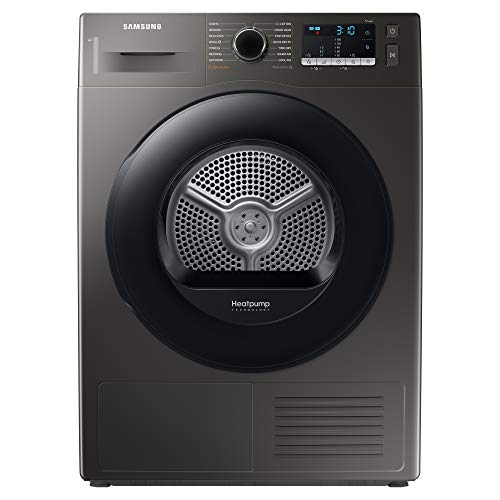
The heat pump dryers function like a refrigerator's refrigeration system, with the compressor that presses a refrigerant in one set of coils to release heat and an evaporator set of coils that absorb heat from the air that passes through them. The heated refrigerant flows through another set of coils to condense humid air. The cooled refrigerant then flows back into the original coils, and is heated to repeat the cycle.
Similar to other electric dryers the heat pump dryer still needs maintenance to keep its energy efficiency at peak performance. Lint accumulates on the filters, as well as on the evaporator and condenser coils, and it's important to clean them regularly to prevent excessive wear. And they use refrigerants with high GWP (Global Warming Potential) which means that they need to be properly recycled as well.
They take longer than vented dryers in drying loads. That's because their maximum temperature--about 120degF--is lower than that of gas and electric resistance dryers, so they're required to tumble an additional time before they're dry.
Lint Screens
Heat pump dryers are equipped with an air vent and lint filter system that needs to be cleaned regularly. A blocked vent can dramatically extend drying times, and can pose a fire hazard. The exhaust of a vented dryer can be heated to the point of igniting volatile oils and chemicals.
The vent system in a heat pump requires a dehumidifier in order to remove moisture from the air prior to it leaves the dryer. A dehumidifier can also reduce energy costs by lowering the temperature of the incoming hot water that is used to heat the air.
The lint screen of the heat pump dryer is softer than in conventional dryers, and therefore must be cleaned more frequently. The lint trap inside the door's opening is an ideal place for lint to build up and must be inspected and cleaned frequently.
The models that have heat pump also have an insulated drum wall, which means that the inside of the dryer must be free of lint fabric softener, dryer sheet residue. The heated drum walls could also require cleaning and inspected regularly, as they may require to be changed according to the user's manual.
Lint buildup in the dryer's exhaust hose is not just a nuisance; it's a serious fire hazard that causes an average of 2,900 house fires every year according to the U.S. Fire Administration. Clean the dryer's lint exhaust hose once a year using a wire brush, or employ an air blower from the outside to remove lint from the inside of the hose, as this Today's Homeowner how-to video will explain. It's safer to do it from the outside since you won't be able to see lint on your face. If you are not confident that you'll be able clean the ducts, call an expert.
If you don't sense air movement in the dryer vent, or if your dryer is taking longer to dry, it could mean that there is a blockage of lint inside the vent. Pick a day in the year to clean your vents--Labor Day, the first of spring, or the day that marks the beginning or the end of daylight saving time--and stick to it.
Installation
Drying laundry with modern dryers is among the most essential conveniences available to homeowners. But selecting the right dryer is also an important decision for those who wish to lower their energy costs and make a a positive impact on the environment. For many these reasons, heat pump dryers are a great option. They differ from vented dryers like traditional ones that use electricity or gas combustion to heat air, then blowing the hot dried air into the drum in order to eliminate moisture. They reuse the air, pulling the humid air and cooling it, allows it to be returned to the laundry room where it can again be used.
Heat pump dryers do not require chimneys, ducting or chimneys to vent outside. They can be placed in small rooms such as laundry closets. They're ideal for tiny homes, accessory dwelling units (such a laundry room or apartment above the garage) or even for additions. Heat pump dryers often perform better than traditional vented dryers because they are ENERGY STAR certified.
Heat pump dryers can used on standard 120-volt 15 amp circuits. This is a major advantage for older homes with older wiring and can reduce the cost of installation.
They have lower power compared to other dryers, so they take longer to complete the cycle. They also don't have the back-and-forth motion of conventional dryers, large items like towels and sheets can become a laundry sausage that's difficult to unravel. Some manufacturers attempt to solve this issue by turning off the tumble cycle for short periods of time during the course of a cycle.
In addition, heat pump dryers require more frequent maintenance than other dryers. Lint can build up on the heat exchanger coils as well as the evaporator coils, requiring periodic cleaning or vacuuming to ensure that they run efficiently. Since dryers with heat pumps do not vent, they could also collect moisture on the inside of the dryer, causing mold.